| Immunotherapy for Merkel Cell Carcinoma | ||||||
| Therapy | Study | Target | N | Objective Response (%) | Median PFS (months) | Median OS (months) |
|---|---|---|---|---|---|---|
| Avelumab | Javelin1 | PD-L1 | 116 | 40 | 4.1 | 20.3 |
| Pembrolizumab | CITN-092 | PD-1 | 50 | 58 | 16.8 | NR |
| Nivolumab | CheckMate-3583 | PD-1 | 15 | 73 | 24.8 | NR |
| Retifanlimab | POD1UM-2014 | PD-1 | 101 | 55 | 16 | NR |
| Aggregate | Aggregate | PD-1(L1) | 282 | 50 | NA | NA |
References: 1 D'Angelo et al. (2024) 2 Nghiem et al. (2016) 3 Bhatia et al. (2025) 4 Grignani et al. (2025)
|
||||||
Perspectives on the Science
Dual Checkpoint Blockade in Merkel Cell Carcinoma: Lessons from CheckMate 358 and the Questions That Remain
2025
Merkel Cell Carcinoma
Ipilimumab
Nivolumab
A multidisciplinary summary and perspective on the CheckMate 358 trial in advanced Merkel cell carcinoma, exploring the role of dual checkpoint blockade, challenges of trial interpretation, real-world practice patterns, and evolving views on therapeutic intent and long-term outcomes.
Vernon Keith Sondak, MD 
Sunandana Chandra, MD
Vatche Tchekmedyian, MD
Ryan J. Sullivan, MD
Ross David Merkin, MD
Vishal Anil Patel, MD
Adewole S. Adamson, MD, MPP
Isaac Brownell, MD, PhD
Reed E. Drews, MD
Nikhil I. Khushalani, MD
Shailender Bhatia, MD
Paul T. Nghiem, MD, PhD
Keywords
Merkel Cell Carcinoma, Nivolumab, Ipilimumab
Article status

Featured Article
Bhatia, S. et al. Nivolumab With or Without Ipilimumab in Patients With Recurrent or Metastatic Merkel Cell Carcinoma: A Nonrandomized, Open-Label, International, Multicenter Phase I/II Study. Journal of Clinical Oncology 43, 1137–1147 (2025).1
Introduction
On April 10, 2025, the Society of Cutaneous Oncology (SoCO) Journal Club gathered to review a recent study published in the Journal of Clinical Oncology: “Nivolumab With or Without Ipilimumab in Patients With Recurrent or Metastatic Merkel Cell Carcinoma: A Nonrandomized, Open-Label, International, Multicenter Phase I/II Study1.” The discussion drew an interdisciplinary audience of clinicians and researchers representing expertise across medical oncology, dermatologic oncology, surgical oncology, and translational immunotherapy (Figure 1).
For the first time, the session also welcomed participation from Bristol Myers Squibb’s Cutaneous Oncology division—adding a valuable industry perspective to the conversation. Attendees also included clinicians and researchers affiliated with academic and clinical institutions, such as Massachusetts General Hospital, University of Washington, Moffitt Cancer Center, Dana-Farber Cancer Institute, Brigham and Women’s Hospital, Johns Hopkins Kimmel Cancer Center, University of North Carolina School of Medicine, Beth Israel Deaconess Medical Center, George Washington Cancer Center, Northwestern University, Maine Health, University of Missouri School of Medicine, University of Texas, and the National Institutes of Health. Their experience managing Merkel cell carcinoma (MCC) varied (Figure 2), which represents responses from academic participants only.
This perspective summarizes key themes and insights raised during the session, examining the study’s implications for frontline treatment decision-making in advanced MCC. Views expressed are those of the authors and do not necessarily reflect official positions of the Society of Cutaneous Oncology or participating institutions.
Background
Immune checkpoint inhibition has dramatically reshaped the therapeutic landscape for advanced MCC. Since 2016—following the demonstration of clinical benefit in studies by Nghiem et al.2 and Kaufman et al.3—PD-1/PD-L1 monotherapy has become the standard first-line approach, achieving response rates between 40% and 73% with durable remissions in a subset of patients1,2,4,5.
Despite these advances, most patients either do not experience an initial response or eventually relapse4, and no standard second-line therapy has been established6,7. In this context, efforts to augment immune responses beyond PD-1/PD-L1 blockade have gained increasing interest.
Dual immune checkpoint blockade with anti–PD-1 and anti–CTLA-4 agents has demonstrated additive clinical benefit in melanoma8 and other malignancies9, and represents a logical extension in MCC—particularly given the immunogenic epitopes from high mutational burden and viral antigens often present in this disease10–15. A prospective, randomized phase II study published in The Lancet in 2022, conducted at Moffitt and Ohio State University (OSU), evaluated nivolumab plus ipilimumab (NIVO + IPI) with or without stereotactic body radiation therapy (SBRT) in both ICI-naive and ICI-treated patients with MCC16. Among 24 ICI-naive patients, the combination of nivolumab (NIVO) (240 mg every 2 weeks) and ipilimumab (IPI) (1 mg/kg every 6 weeks) yielded a remarkable 100% objective response rate (ORR), with durable responses in both irradiated and non-irradiated lesions. However, response rates were substantially lower in the post-PD-1 population, and the addition of SBRT did not appear to enhance systemic efficacy.
Although early-phase studies have demonstrated activity in both first- and second-line settings, enthusiasm for dual checkpoint blockade in MCC remains tempered by limited prospective data, toxicity concerns, and uncertainty regarding optimal patient selection. In the pre–Journal Club survey, among clinicians actively managing MCC, 81% reported having recommended combination nivolumab plus ipilimumab for a patient (Figure 3). However, among those who had used dual checkpoint blockade, no clear consensus emerged on preferred dosing strategies for NIVO + IPI (Figure 4).
These results highlight a critical knowledge and practice gap—one that CheckMate 358 seeks to help address.
Study Design
CheckMate 358 is a multicenter, open-label, multicohort phase I/II trial designed to evaluate NIVO-based immunotherapy across a range of virus-associated cancers. In addition to exploring neoadjuvant approaches in earlier-stage disease17, the trial included disease-specific cohorts in the advanced/metastatic setting, including for Merkel cell carcinoma. The results presented by Bhatia and colleagues focus on the recurrent/metastatic MCC cohort, which assessed NIVO with or without IPI in patients who were ICI–naive but may have received prior chemotherapy.
Patients were enrolled sequentially into two cohorts: the NIVO monotherapy cohort between October 2015 and January 2016, and the combination NIVO + IPI cohort between July 2016 and October 2018. This nonrandomized, sequential design resulted in a longer follow-up period and more favorable baseline characteristics in the monotherapy cohort, complicating direct cross-arm comparisons.
Patients in the monotherapy cohort received NIVO at a dose of 240 mg every two weeks. In the combination cohort, patients were treated with NIVO at 3 mg/kg every two weeks plus IPI at 1 mg/kg every six weeks. The primary endpoint was ORR by Response Evaluation Criteria in Solid Tumors v1.1, as assessed by local investigators. Secondary endpoints included duration of response (DoR), progression-free survival (PFS), overall survival (OS), and safety outcomes.
This analysis represents the largest prospective study to date examining dual checkpoint blockade in advanced MCC and provides important context for ongoing clinical decision-making around sequencing and combination strategies in ICI-naive patients. The study was not powered to detect differences between patient subgroups or treatment arms.
Main Findings
In the CheckMate 358 MCC cohort, 68 ICI–naïve patients were treated with either NIVO monotherapy (n = 25) or combination NIVO + IPI (n = 43). The ORR was 60% (95% confidence intervals (CI), 38.7–78.9) with NIVO and 58% (95% CI, 42.1–73) with NIVO + IPI. Complete responses occurred in 32% of patients receiving NIVO and 19% with NIVO + IPI. Responses were durable in both groups, with median DoR of 60.6 months (95% CI, 16.7–NA) and 25.9 months (95% CI, 10.4–NA), respectively. When stratified by line of therapy, first-line response rates were higher: 73% (95% CI, 45–92) for NIVO (n = 15) and 64% (95% CI, 45–80) for NIVO + IPI (n = 33). In contrast, among patients treated in the second-line or later setting, response rates were lower, at 50% (95% CI, 19–81) for NIVO (n = 10) and 40% (95% CI, 12–74) for NIVO + IPI (n = 10).
While response rates were similar, outcomes for the NIVO monotherapy group appeared more favorable. Median PFS was 21.3 months (95% CI, 9.2–62.5) with NIVO, compared to 8.4 months (95% CI, 3.7–24.3) with NIVO + IPI. Median OS was 80.7 months (95% CI, 23.3–NA) for NIVO and 29.8 months (95% CI, 8.5–48.3) with the combination.
Safety data revealed a higher incidence of grade 3–4 treatment-related adverse events with NIVO + IPI (47%) compared to NIVO monotherapy (28%). Immune-related toxicities led to treatment discontinuation in 26% of patients on combination therapy and 20% in the monotherapy group. One treatment-related death occurred in each arm.
In this sequential, non-comparative analysis, dual checkpoint blockade demonstrated activity but did not show evidence suggesting improved efficacy over PD-1 monotherapy, while toxicity appeared higher with the combination. An earlier smaller study suggested high activity of NIVO + IPI in MCC; however, differences in trial design, patient selection, and baseline characteristics limit definitive comparisons. Nonetheless, CheckMate 358 remains the largest prospective evaluation of combination immunotherapy in ICI-naïve advanced MCC to date.
Discussion
Why This Study Matters
CheckMate 358 represents an important addition to a field where prospective data remain limited. Although immune checkpoint inhibitors have transformed the treatment landscape for advanced MCC, most clinical insights have come from single-arm studies of anti–PD-1 or anti–PD-L1 monotherapy. Prospective evaluations of dual checkpoint blockade—particularly NIVO + IPI—have been sparse, despite the regimen’s established role in melanoma and prior exploration in other virally-mediated and immunogenic cancers18.
This study includes the largest prospectively enrolled cohort of patients with advanced, treatment-naïve MCC treated with NIVO + IPI (n=33). While CheckMate 358 was not powered or designed for formal head-to-head comparison between treatment arms, its multi-arm structure and prospective design provide meaningful insight into the potential role of dual immune checkpoint blockade in this setting.
This need for prospective clarity is further underscored by findings from the pre–Journal Club survey, which revealed considerable heterogeneity in how experts approach treatment for advanced MCC. Despite belonging to a focused community of Merkel cell carcinoma specialists, respondents offered widely differing recommendations when presented with hypothetical clinical scenarios (Figure 5).
The Backstory Behind the Paper
Although enrollment for the MCC cohort of CheckMate 358 concluded several years ago, the data had not yet been published, and even study investigators were not aware of the final results. Interest in the dataset was renewed following the 2nd International Merkel Cell Carcinoma Symposium in Seattle in 2022, where the Moffitt-OSU study of NIVO + IPI—with or without SBRT—was presented. The impressive response rates reported, particularly in the immunotherapy-only arm, prompted investigators from CheckMate 358 to advocate for publication of their own findings. While the outcomes differed, there was consensus that sharing both experiences would meaningfully contribute to the evidence base and help guide treatment decisions in a rare and challenging disease.
The revival of interest in CheckMate 358 coincided with a broader recognition of how much real-world practice patterns had evolved—and diversified—since the trial was originally conducted. As the pre–Journal Club survey highlighted, treatment preferences for advanced MCC have grown increasingly heterogeneous, reflecting both expanding therapeutic options and enduring gaps in the evidence base.
Contextualizing Results Across Trials
The differing outcomes observed in the Moffitt–OSU study and CheckMate 358 merit careful consideration but should be interpreted with caution. As is common in rare diseases, cross-trial comparisons are inherently limited by differences in study design, patient populations, and evolving standards of care. The 100% response rate seen with NIVO + IPI in the ICI-naïve Moffitt–OSU cohort is higher than previously reported for anti–PD-1/PD-L1 monotherapy and has prompted discussion about whether dual checkpoint blockade should be considered a first-line option in advanced MCC. In contrast, CheckMate 358 did not show clear benefit from adding ipilimumab, with no improvement in response rate, PFS, or OS—and increased toxicity. Understanding these divergent results requires close attention to trial design, timing, and patient selection, and may help guide when combination immunotherapy is most appropriate in MCC.
The Moffitt-OSU study employed a randomized design; however, randomization addressed the addition of SBRT, not the choice of systemic therapy—all patients received NIVO + IPI. In contrast, CheckMate 358 was a non-randomized, multi-arm, non-comparative trial. Notably, the absence of a NIVO monotherapy arm in the Moffitt-OSU study renders any comparison with other datasets unanchored, limiting the ability to contextualize the observed efficacy of dual checkpoint blockade against a shared referencea. As a result, it remains uncertain whether the observed outcomes stem from therapeutic synergy, patient selection, or random variability.
Although both trials evaluated NIVO plus IPI in ICI-naïve patients, their dosing regimens differed slightly. The Moffitt-OSU study used fixed-dose nivolumab (240 mg every two weeks) with ipilimumab (1 mg/kg every six weeks), while CheckMate 358 employed weight-based nivolumab (3 mg/kg every two weeks) alongside the same ipilimumab schedule. While these variations in NIVO dosing are unlikely to explain the differences in efficacy or toxicity, they cannot be entirely dismissed.
More plausibly, several sources of bias may help account for the divergent outcomes. Notably, the NIVO + IPI arm of CheckMate 358 opened during the period when PD-1 monotherapy was emerging as the standard frontline therapy, likely influencing enrollment patterns. Patients for whom PD-1 monotherapy was deemed appropriate may have been steered toward routine care rather than trial participation—potentially enriching the combination arm with individuals who had more advanced disease or fewer treatment options.
This hypothesis is supported by notable imbalances in baseline characteristics: the combination cohort had numerically higher rates of adverse prognostic features compared to the prior monotherapy cohort, including ECOG performance status of 1 (63% vs. 40%), stage IV disease (93% vs. 80%), virus-negative MCC (42% vs. 28%), and a larger median tumor burden (72 mm vs. 55.5 mm). At the same time, a greater proportion of patients in the monotherapy group had received prior chemotherapy (40% vs. 23%), likely reflecting earlier enrollment before anti–PD-1 agents were broadly accessible. However, this latter factor would be expected to bias outcomes in favor of the combination cohort, as prior chemotherapy has been associated with reduced response to subsequent immunotherapy19. These competing biases—some favoring one arm, some favoring the other—illustrate the internal contradictions within CheckMate 358 and complicate efforts to draw definitive conclusions from its results.
Such internal dynamics may help explain why the combination arm did not appear to outperform monotherapy in this study—a finding that could otherwise seem discordant with the Moffitt-OSU study or broader clinical experience, where PD-1 monotherapy has yielded response rates closer to 50%, and dual checkpoint blockade has demonstrated response rates up to 100% in select cohorts. Importantly, these complexities should not be conflated with cross-trial comparison; rather, they reflect how evolving treatment standards and trial timing can shape study populations in ways that meaningfully influence observed outcomes.
Another perspective is to view this as an illustration of the “law of small numbers”b. The 100% response rate in the Moffitt-OSU cohort—13 out of 13 patients treated with immunotherapy alone—is striking (100% ORR with 95% CI [75.3%-100%]) but statistically fragile. A single non-response would have dropped the rate to 92.3%, and confidence intervals around such estimates remain wide (95% CI [64%-99.8%]). In contrast, CheckMate 358 enrolled a larger NIVO + IPI cohort (43 patients), yielding a more moderate response rate of 58%, (95% CI [42.1%-73%]), though this aggregate figure masks important differences: among first-line patients (n = 33), the response rate was 64% (95% CI, 45–80), compared to 40% (95% CI, 12–74) in the second-line or later setting (n = 15). Thus, while larger numbers reduce random error, differences in patient mix continue to confound interpretation—underscoring the dual pitfalls of small sample size and heterogeneous cohorts in rare cancer trials.
One way to examine these findings is through a Bayesian lens—a statistical framework that formally combines prior information with new evidence. Rather than interpreting the Moffitt–OSU and CheckMate 358 studies as competing verdicts, we can ask how the evidence from one study changes our interpretation of the other. In this framework, the Moffitt–OSU response data are represented as an informative prior distribution, and the CheckMate 358 data provide new evidence through the likelihood. Combining the two yields a posterior distribution: an updated probability distribution that describes the range of response rates supported by the model and quantifies the remaining uncertainty.c
We therefore performed an exploratory Bayesian evidence synthesis to examine the apparent discordance between the two studies. This is an unanchored, model-based cross-study analysis and depends on an important assumption: that the cohorts are sufficiently exchangeable for their response data to inform a common underlying objective response rate. The analysis does not adjust for differences in eligibility, baseline risk, trial timing, treatment context, or other study-level factors. It should therefore be interpreted as an illustration of evidence updating—not as a pooled trial estimate, a formal indirect comparison, or evidence that adding ipilimumab improves efficacy over nivolumab alone.
Bayesian updating is mathematically agnostic to the order in which evidence is incorporated, but chronology still shapes how evidence is perceived. The Moffitt–OSU results were published first and generated substantial enthusiasm because of the observed 100% response rate, even though the CheckMate 358 combination cohort had actually enrolled earlier. Viewed together, the studies illustrate how an initially striking result from a small cohort can be recalibrated as additional evidence becomes available.
Under those assumptions, the more moderate CheckMate 358 data shift the posterior away from the extreme response rates suggested by the small Moffitt–OSU cohorts (Figure 6). We show two prior specifications—13 of 13 responders in the non-SBRT cohort and 24 of 24 responders across the full ICI-naïve Moffitt–OSU cohort—to make the influence of prior selection explicit. The resulting posterior distributions illustrate both how additional evidence can moderate early estimates from small studies and how the conclusions of a Bayesian synthesis remain dependent on the assumptions and prior information supplied to the model.
NoteFigure 6. Bayesian synthesis of ORR for NIVO + IPI in MCC
Exploratory Bayesian evidence synthesis
Later evidence tempers the early 100% response signal.
Two sensitivity analyses illustrate how different Moffitt–OSU priors are updated by first-line CheckMate 358 response data.
A. Moffitt–OSU non-SBRT cohort as prior
Show Code Used For Exploratory Bayesian Evidence Synthesis
theta_raw <- seq(0.001, 0.999, length.out = 1200)

# Moffitt–OSU non-SBRT cohort: 13/13 responders.
# A Beta(1,1) starting prior updated by 13 successes gives Beta(14,1).
prior_a <- c(alpha = 14, beta = 1)

# CheckMate 358 first-line combination cohort: 21/33 responders.
# The normalized binomial likelihood is proportional to Beta(22,13).
likelihood_a <- c(alpha = 22, beta = 13)

# Sequential update using the 21 successes and 12 non-responses.
posterior_a <- c(alpha = 35, beta = 13)

bayes_a <- dplyr::bind_rows(
  tibble::tibble(
    theta = theta_raw * 100,
    density = dbeta(theta_raw, prior_a["alpha"], prior_a["beta"]),
    distribution = "Prior · Moffitt–OSU 13/13"
  ),
  tibble::tibble(
    theta = theta_raw * 100,
    density = dbeta(theta_raw, likelihood_a["alpha"], likelihood_a["beta"]),
    distribution = "Likelihood · CheckMate 358 21/33"
  ),
  tibble::tibble(
    theta = theta_raw * 100,
    density = dbeta(theta_raw, posterior_a["alpha"], posterior_a["beta"]),
    distribution = "Posterior"
  )
)

posterior_mean_13 <- posterior_a["alpha"] / sum(posterior_a)
posterior_ci_13 <- qbeta(c(0.025, 0.975), posterior_a["alpha"], posterior_a["beta"])

bayes_palette <- c(
  "Prior · Moffitt–OSU 13/13" = "#0D4F7A",
  "Likelihood · CheckMate 358 21/33" = "#8797A6",
  "Posterior" = "#C94A50"
)

ggplot2::ggplot(
  bayes_a,
  ggplot2::aes(x = theta, y = density, color = distribution)
) +
  ggplot2::geom_ribbon(
    data = bayes_a |>
      dplyr::filter(
        distribution == "Posterior",
        theta >= posterior_ci_13[1] * 100,
        theta <= posterior_ci_13[2] * 100
      ),
    ggplot2::aes(x = theta, ymin = 0, ymax = density),
    inherit.aes = FALSE,
    fill = "#C94A50",
    alpha = 0.09
  ) +
  ggplot2::geom_line(linewidth = 1.15) +
  ggplot2::geom_vline(
    xintercept = posterior_mean_13 * 100,
    linewidth = 0.55,
    linetype = "dashed",
    color = "#C94A50"
  ) +
  ggplot2::annotate(
    "text",
    x = posterior_mean_13 * 100 + 1.2,
    y = max(bayes_a$density) * 0.78,
    label = sprintf(
      "Posterior mean %.1f%%\n95%% CrI %.1f–%.1f%%",
      posterior_mean_13 * 100,
      posterior_ci_13[1] * 100,
      posterior_ci_13[2] * 100
    ),
    hjust = 0,
    family = "sans",
    fontface = "bold",
    size = 3.25,
    color = "#C94A50"
  ) +
  ggplot2::scale_color_manual(values = bayes_palette, name = NULL) +
  ggplot2::scale_x_continuous(
    limits = c(20, 100),
    breaks = seq(20, 100, 10),
    labels = scales::label_percent(scale = 1)
  ) +
  ggplot2::labs(x = "Objective response rate", y = "Density") +
  ggplot2::theme_minimal(base_size = 11) +
  ggplot2::theme(
    text = ggplot2::element_text(family = "sans", color = "#243447"),
    panel.grid.major.y = ggplot2::element_blank(),
    panel.grid.minor = ggplot2::element_blank(),
    panel.grid.major.x = ggplot2::element_line(color = "#E7EDF2", linewidth = 0.35),
    axis.title.y = ggplot2::element_blank(),
    axis.title.x = ggplot2::element_text(face = "bold", color = "#526678"),
    axis.text = ggplot2::element_text(color = "#526678"),
    legend.position = "top",
    legend.justification = "left",
    legend.text = ggplot2::element_text(size = 8.5),
    plot.margin = ggplot2::margin(8, 8, 8, 8)
  )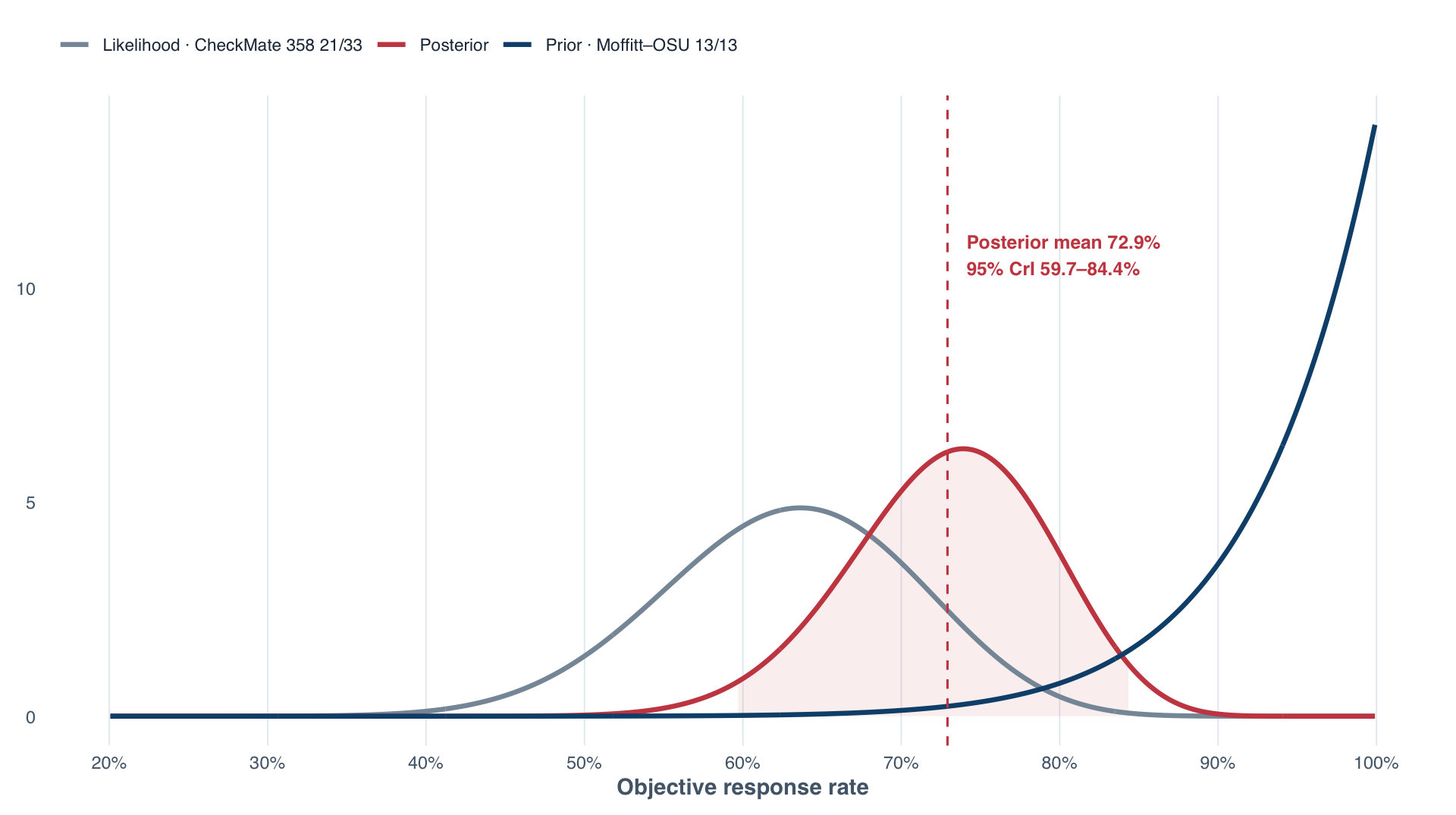
Figure 6A. Exploratory Bayesian update using the Moffitt–OSU non-SBRT cohort (13/13 responses) as prior evidence and first-line CheckMate 358 data (21/33 responses) as the likelihood. Under the common-response-rate assumption, the posterior is Beta(35,13). This unanchored analysis is illustrative and does not adjust for cross-study heterogeneity or estimate the incremental effect of ipilimumab.
B. Full ICI-naïve Moffitt–OSU cohort as prior
Show Code Used For Bayesian Prior Sensitivity Analysis
prior_b <- c(alpha = 25, beta = 1)       # Beta(1,1) updated by 24/24
likelihood_b <- c(alpha = 22, beta = 13) # normalized 21/33 likelihood
posterior_b <- c(alpha = 46, beta = 13)  # 25+21, 1+12

bayes_b <- dplyr::bind_rows(
  tibble::tibble(
    theta = theta_raw * 100,
    density = dbeta(theta_raw, prior_b["alpha"], prior_b["beta"]),
    distribution = "Prior · Moffitt–OSU 24/24"
  ),
  tibble::tibble(
    theta = theta_raw * 100,
    density = dbeta(theta_raw, likelihood_b["alpha"], likelihood_b["beta"]),
    distribution = "Likelihood · CheckMate 358 21/33"
  ),
  tibble::tibble(
    theta = theta_raw * 100,
    density = dbeta(theta_raw, posterior_b["alpha"], posterior_b["beta"]),
    distribution = "Posterior"
  )
)

posterior_mean_moffitt_b <- posterior_b["alpha"] / sum(posterior_b)
posterior_ci_moffitt_b <- qbeta(
  c(0.025, 0.975),
  posterior_b["alpha"],
  posterior_b["beta"]
)

bayes_palette_b <- c(
  "Prior · Moffitt–OSU 24/24" = "#0D4F7A",
  "Likelihood · CheckMate 358 21/33" = "#8797A6",
  "Posterior" = "#C94A50"
)

ggplot2::ggplot(
  bayes_b,
  ggplot2::aes(x = theta, y = density, color = distribution)
) +
  ggplot2::geom_ribbon(
    data = bayes_b |>
      dplyr::filter(
        distribution == "Posterior",
        theta >= posterior_ci_moffitt_b[1] * 100,
        theta <= posterior_ci_moffitt_b[2] * 100
      ),
    ggplot2::aes(x = theta, ymin = 0, ymax = density),
    inherit.aes = FALSE,
    fill = "#C94A50",
    alpha = 0.09
  ) +
  ggplot2::geom_line(linewidth = 1.15) +
  ggplot2::geom_vline(
    xintercept = posterior_mean_moffitt_b * 100,
    linewidth = 0.55,
    linetype = "dashed",
    color = "#C94A50"
  ) +
  ggplot2::annotate(
    "text",
    x = posterior_mean_moffitt_b * 100 + 1.2,
    y = max(bayes_b$density) * 0.75,
    label = sprintf(
      "Posterior mean %.1f%%\n95%% CrI %.1f–%.1f%%",
      posterior_mean_moffitt_b * 100,
      posterior_ci_moffitt_b[1] * 100,
      posterior_ci_moffitt_b[2] * 100
    ),
    hjust = 0,
    family = "sans",
    fontface = "bold",
    size = 3.25,
    color = "#C94A50"
  ) +
  ggplot2::scale_color_manual(values = bayes_palette_b, name = NULL) +
  ggplot2::scale_x_continuous(
    limits = c(20, 100),
    breaks = seq(20, 100, 10),
    labels = scales::label_percent(scale = 1)
  ) +
  ggplot2::labs(x = "Objective response rate", y = "Density") +
  ggplot2::theme_minimal(base_size = 11) +
  ggplot2::theme(
    text = ggplot2::element_text(family = "sans", color = "#243447"),
    panel.grid.major.y = ggplot2::element_blank(),
    panel.grid.minor = ggplot2::element_blank(),
    panel.grid.major.x = ggplot2::element_line(color = "#E7EDF2", linewidth = 0.35),
    axis.title.y = ggplot2::element_blank(),
    axis.title.x = ggplot2::element_text(face = "bold", color = "#526678"),
    axis.text = ggplot2::element_text(color = "#526678"),
    legend.position = "top",
    legend.justification = "left",
    legend.text = ggplot2::element_text(size = 8.5),
    plot.margin = ggplot2::margin(8, 8, 8, 8)
  )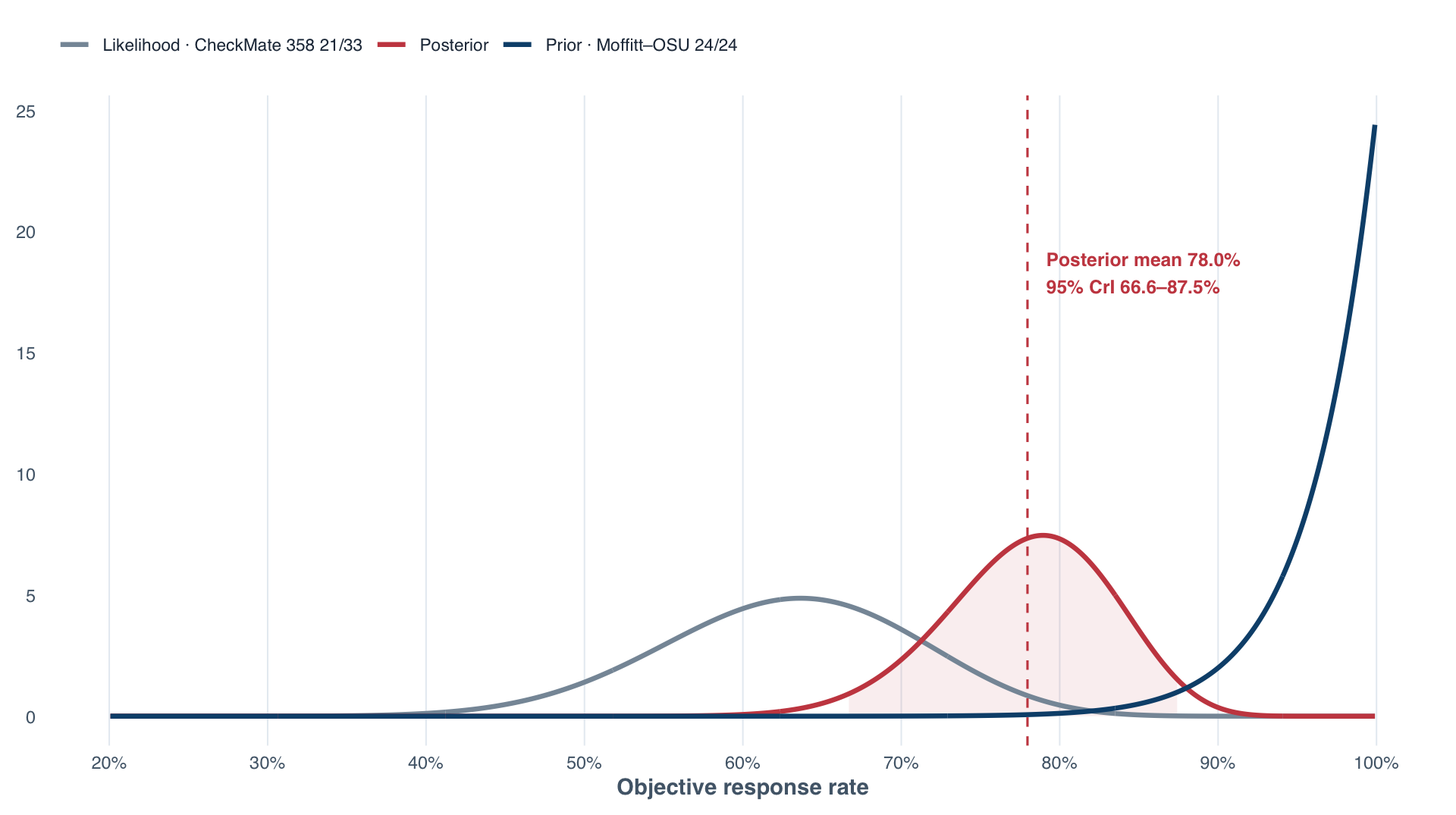
Figure 6B. Prior-sensitivity analysis using all 24 ICI-naïve Moffitt–OSU responses as prior evidence. The stronger prior shifts the posterior upward (Beta(46,13)), illustrating the degree to which posterior inference depends on the choice of prior evidence. As in panel A, the synthesis assumes exchangeability across studies and should not be interpreted as a formal indirect comparison.
Balancing Rigor and Reality
The contrasting outcomes of the Moffitt-OSU and CheckMate 358 studies naturally raise the question of whether a well-powered comparative trial—NIVO versus NIVO + IPI—might help clarify the clinical role of dual checkpoint blockade in MCC. In their published manuscript, the CheckMate 358 investigators advocate for such a trial, highlighting it as a necessary next step to better contextualize their findings. Notably, the presence of multiple, and at times opposing, biases within CheckMate 358 itself—such as more advanced disease in the combination cohort but more prior chemotherapy in the monotherapy group—further underscores the limitations of non-randomized comparisons and the need for a formal head-to-head trial. Yet even this relatively straightforward comparison remains aspirational in the context of a rare cancer. Both trials were supported by the pharmaceutical sponsor, and such backing may become less feasible as these agents approach the end of their patent protection.
A more expansive proposal also emerged during the Journal Club discussion: a trial comparing NIVO, NIVO + IPI, and a triplet regimen of nivolumab/relatlimab/ipilimumab, modeled on RELATIVITY-048. While the scientific rationale is strong, the feasibility of such a study is less certain. MCC disproportionately affects older adults, and the toxicity burden of multi-agent immunotherapy may limit the viability or desirability of these approaches in real-world settings.
There remains a persistent tension between the desire to rigorously interrogate clinical questions and the realities of conducting such studies. Even with a strong hypothesis, the logistical challenges of enrolling older patients—many with high comorbidity burdens or elevated frailty indices—often constrain what is realistically achievable. Restrictive eligibility criteria further compound these difficulties, excluding patients who most closely represent the disease population. As a result, enrolled cohorts may fail to reflect real-world complexity, introducing bias and limiting generalizability.
Both the Moffitt and CheckMate 358 studies reflect the considerable effort required to generate prospective data in this space. Whether viewed independently or synthesized through a Bayesian lens, they may represent the best prospective evidence available to inform the use of dual checkpoint blockade in MCC for the foreseeable future. Moving forward, broader eligibility criteria and more inclusive trial designs will be essential to ensuring that our evidence base reflects the patients we aim to treat.
Bridging the Gap Between Evidence and Practice
While the feasibility of conducting a well-powered comparative trial remains uncertain, it is clear from the pre–Journal Club survey that many clinicians are already using NIVO + IPI in practice—particularly in patients with high tumor burden or PD-1–refractory disease. Still, significant heterogeneity persists, and several respondents identified tangible barriers to broader adoption of dual checkpoint blockade (Figure 7).
Insurance coverage, in particular, emerged as a nuanced barrier. While only 15% of MCC-managing clinicians explicitly identified insurance or Medicare denial as a barrier in the initial survey question (Figure 7), a separate item explored this issue more directly. Among the 19 clinicians included, only one reported a confirmed denial of NIVO + IPI, while nearly half were unsure whether a denial had occurred (Figure 8). This uncertainty may stem in part from the structure of multidisciplinary care: many clinicians involved in recommending systemic therapy—such as dermatologists and surgical oncologists—may not be directly engaged in insurance authorization processes or routinely informed about coverage outcomes. As a result, barriers to treatment access may arise from a combination of factors, including outright payer denials as well as gaps in transparency and awareness. These realities highlight the critical role that clinical guidelines, product labeling, and broader regulatory frameworks can play in supporting both clinical decision-making and navigation of insurance-related challenges.
Supporting Access Through Guidelines and Labeling
Given these challenges, one important tool for supporting treatment access is the inclusion of therapies in the National Comprehensive Cancer Network (NCCN) guidelines, which serve as a critical resource for guiding evidence-informed clinical practice and can also help support coverage decisions in the absence of formal FDA approval. Despite this, a notable subset of clinicians remain unaware that NIVO + IPI is already referenced in the NCCN guidelines for MCC as “Useful in Certain Circumstances”—a designation that has been in place for several guideline cycles (Figure 9)20. While earlier versions of the guidelines included only a summary table listing, the most recent update now provides expanded discussion of the evidence supporting ipilimumab with or without nivolumab, including data on objective response rates, duration of response, progression-free survival, and treatment-related adverse events from multiple trials21. Nonetheless, the guidelines still lack detailed contextual guidance on patient selection or optimal use, underscoring the need for further clinical clarity.
Gaps in both clinician awareness and detailed guideline context may contribute to variability in access and confidence in using dual checkpoint blockade. Beyond guideline inclusion, many clinicians felt that formal product labeling would further solidify the role of NIVO + IPI in MCC treatment pathways—though the regulatory path remains complex (Figure 10).
While support for labeling was strong overall, respondents expressed clear reservations about frontline use. Regulatory standards require demonstrating the independent contribution of each drug component—a hurdle not addressed by existing data. Most clinicians agreed that first-line labeling of NIVO + IPI is not yet justified, citing the absence of direct head-to-head comparisons with NIVO monotherapy. Without such evidence, enthusiasm for broad frontline approval remains cautious.
In contrast, there was broader support for labeling in the anti–PD-1–refractory setting, where no established standard of care exists and clinical uncertainty is greater. Here, retrospective institutional experiences22–29 and the post–PD-1 cohort of the Moffitt-OSU study16 provide a more compelling foundation (Table 2).
These data not only reinforce clinical confidence in dual checkpoint blockade after PD-1 failure, but have also shaped academic discussions around regulatory pathways. The aggregate response rate of 31%—with a lower bound 95% confidence interval excluding 20% (Figure 11)—approaches benchmarks historically used to support accelerated approval for therapies targeting advanced skin cancers lacking approved treatment options30.
NoteFigure 11. NIVO + IPI Response in MCC After Anti–PD-1: Observed and Modeled Estimates
Post–PD-1 evidence
The salvage signal is clinically meaningful—but still uncertain.
Observed study-level response estimates and an exploratory Bayesian posterior summarize sparse evidence after PD-1 failure.
A. Observed Objective Response Rates for NIVO + IPI in the Post–PD-1 Setting
Subgroup-level response data from published retrospective and prospective studies, with 95% confidence intervals.
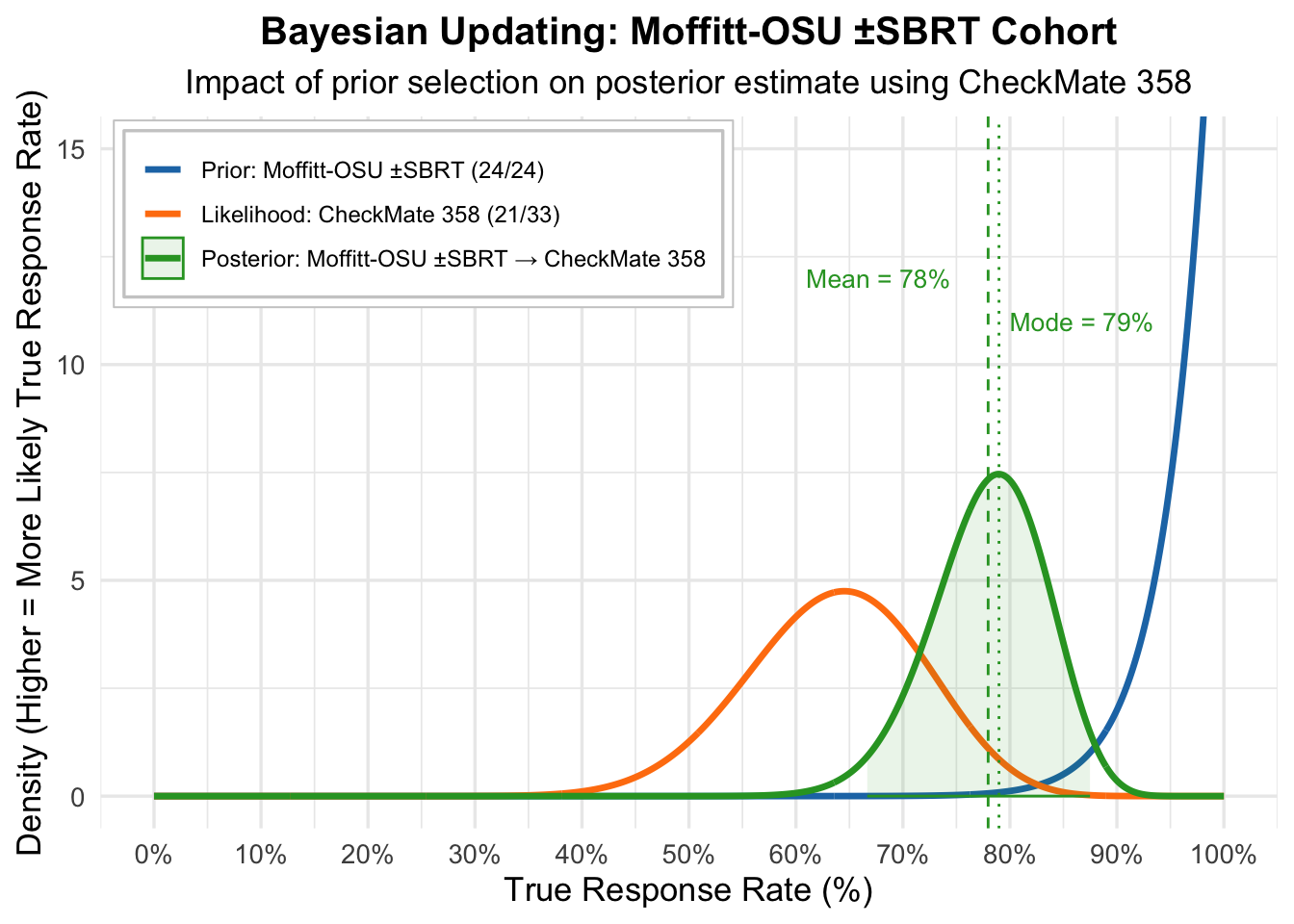
Figure 11A. Best overall response from the various studies of ipilimumab with or without anti-PD-1 in the post PD-1 setting are displayed here with corresponding 95% confidence intervals. References: LoPiccolo et al.22, Shalhout et al.25, Glutsch et al.26, Kim et al.16, Khaddour et al.27, Ferdinandus et al.28 and Leven et al.29. Of note, two patients in LoPiccolo et al.22 were treated with monotherapy ipilimumab and were not included in the aggregate N (both were non-responders). Data reproduced with permission from Miller DM, JoCO 20247.
B. Bayesian Posterior Distribution of ORR for NIVO + IPI After Anti–PD-1
Estimated distribution of the underlying ORR based on 21 responses among 67 aggregated patients, using a weakly informative flat Beta(1,1) prior.
Show Code Used For Bayesian Posterior Distribution of ORR
theta_raw_post <- seq(0.001, 0.999, length.out = 1200)

prior_alpha <- 1
prior_beta <- 1
responders <- 21
nonresponders <- 67 - responders

posterior_alpha <- prior_alpha + responders
posterior_beta <- prior_beta + nonresponders

posterior_mean <- posterior_alpha / (posterior_alpha + posterior_beta)
posterior_ci <- qbeta(c(0.025, 0.975), posterior_alpha, posterior_beta)
ci_lower <- round(posterior_ci[1] * 100, 1)
ci_upper <- round(posterior_ci[2] * 100, 1)

post_pd1_df <- tibble::tibble(
  theta = theta_raw_post * 100,
  density = dbeta(theta_raw_post, posterior_alpha, posterior_beta)
)

bayesian_orr_post_pd1 <- ggplot2::ggplot(
  post_pd1_df,
  ggplot2::aes(x = theta, y = density)
) +
  ggplot2::geom_ribbon(
    data = post_pd1_df |>
      dplyr::filter(
        theta >= posterior_ci[1] * 100,
        theta <= posterior_ci[2] * 100
      ),
    ggplot2::aes(ymin = 0, ymax = density),
    fill = "#C94A50",
    alpha = 0.10
  ) +
  ggplot2::geom_line(linewidth = 1.2, color = "#C94A50") +
  ggplot2::geom_vline(
    xintercept = posterior_mean * 100,
    linewidth = 0.55,
    linetype = "dashed",
    color = "#C94A50"
  ) +
  ggplot2::annotate(
    "text",
    x = posterior_mean * 100 + 1.2,
    y = max(post_pd1_df$density) * 0.84,
    label = sprintf(
      "Posterior mean %.1f%%\n95%% CrI %.1f–%.1f%%",
      posterior_mean * 100,
      posterior_ci[1] * 100,
      posterior_ci[2] * 100
    ),
    hjust = 0,
    family = "sans",
    fontface = "bold",
    size = 3.3,
    color = "#C94A50"
  ) +
  ggplot2::scale_x_continuous(
    limits = c(5, 65),
    breaks = seq(10, 60, 10),
    labels = scales::label_percent(scale = 1)
  ) +
  ggplot2::labs(x = "Objective response rate", y = "Density") +
  ggplot2::theme_minimal(base_size = 11) +
  ggplot2::theme(
    text = ggplot2::element_text(family = "sans", color = "#243447"),
    panel.grid.major.y = ggplot2::element_blank(),
    panel.grid.minor = ggplot2::element_blank(),
    panel.grid.major.x = ggplot2::element_line(color = "#E7EDF2", linewidth = 0.35),
    axis.title.y = ggplot2::element_blank(),
    axis.title.x = ggplot2::element_text(face = "bold", color = "#526678"),
    axis.text = ggplot2::element_text(color = "#526678"),
    plot.margin = ggplot2::margin(8, 8, 8, 8)
  )

bayesian_orr_post_pd1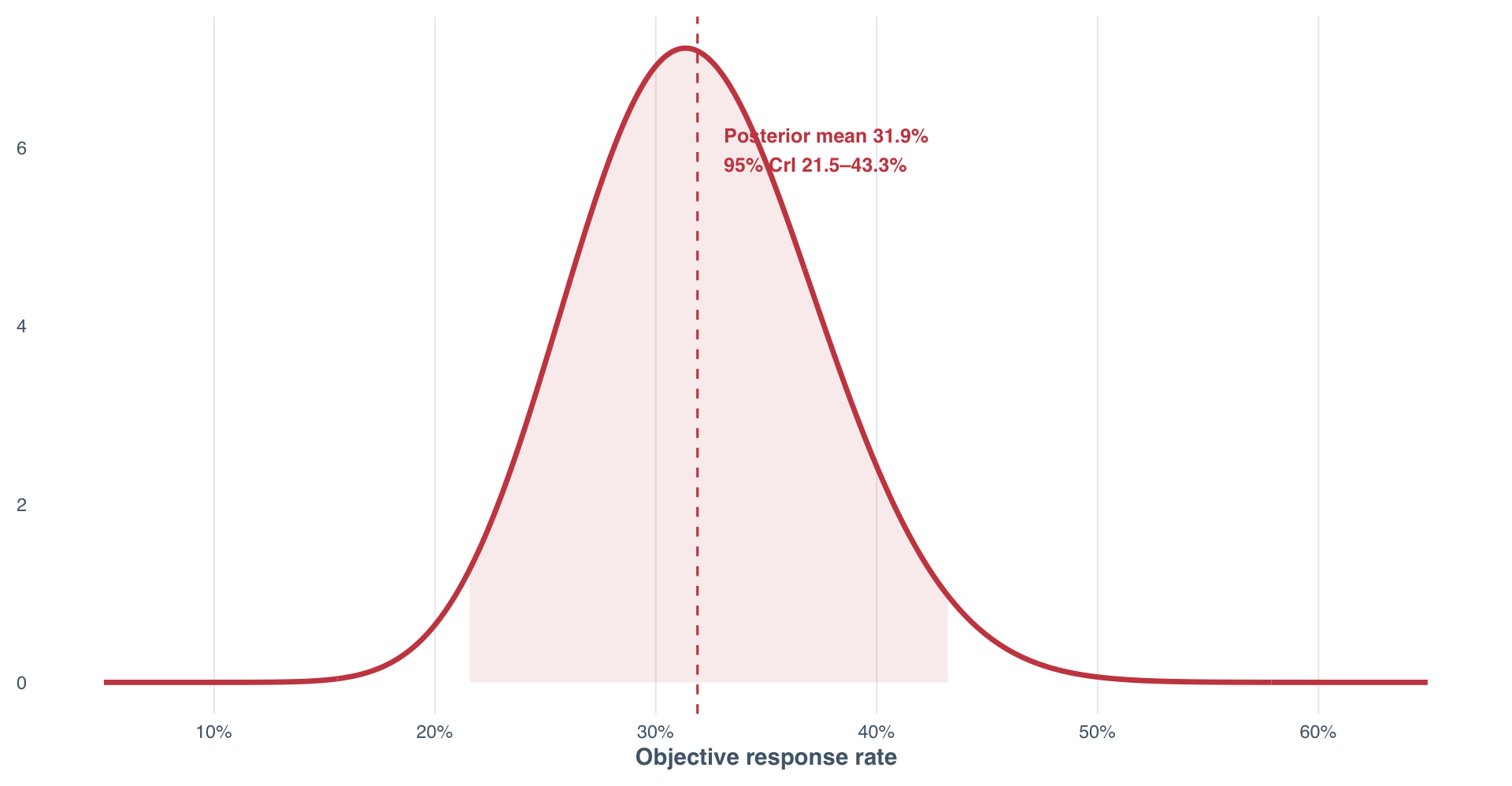
Figure 11B. Posterior distribution of ORR for NIVO + IPI after anti–PD-1 therapy using aggregate data (21/67 responders) and a flat Beta(1,1) prior. The posterior is Beta(22,47), with posterior mean 31.9% and 95% credible interval 21.5%–43.3%. This analysis summarizes uncertainty around the aggregate response proportion; it does not adjust for heterogeneity across contributing studies.
These tensions—between evidentiary rigor and practical need—are captured by the split response shown below (Figure 12).
Together, these results emphasize two priorities: clinician awareness of current recommendations and the ongoing need to strengthen the evidence base to support broader clinical and regulatory recognition. The gap between evidence and practice reveals not only uncertainty around treatment choice, but also underlying questions about therapeutic intent—questions that emerged throughout the Journal Club discussion.
Intent of Therapy: Curative or Palliative?
Therapeutic intent—whether systemic treatment for advanced MCC should be framed as palliative or potentially curative—emerged as a point of reflection during the Journal Club discussion. While advanced MCC has historically been regarded as an incurable disease, the growing use of immune checkpoint inhibitors has challenged that assumption, prompting some to reconsider the goals of therapy.
In these conversations, the role of cytotoxic chemotherapy also came under discussion—not as a curative approach in itself, but as a potential tool for cytoreduction in patients with bulky or life-threatening disease. Some participants drew parallels to small cell lung cancer, suggesting that chemotherapy might be necessary to achieve rapid disease control, particularly in cases with imminent organ compromise. Others countered that combination immunotherapy could offer sufficient efficacy in this setting without the added toxicity of cytotoxic agents. Importantly, data from a prior multi-institutional cohort study suggest that deferring immune checkpoint blockade to the second-line setting may compromise outcomes, highlighting the importance of early integration when possible31. Further study is needed to clarify how best to sequence or combine these approaches to maximize benefit without compromising long-term outcomes.
The conversation also revealed differences in how clinicians communicate with patients. Some argued that invoking the possibility of cure—even cautiously—is appropriate, especially given the durable responses increasingly documented with checkpoint inhibitors in MCC4. Others expressed concern that the word “curative” may foster unrealistic expectations, suggesting instead that therapy should be presented as palliative in intent, while acknowledging the potential for long-term benefit in a subset of patients.
There was broad agreement, however, that durable response is a meaningful and achievable goal in MCC, and that terminology should be chosen carefully to balance hope with realism. Whether framed as “disease control,” “durable remission,” or “functional cure,” the language clinicians use embodies both the evolving therapeutic landscape and the human dimensions of oncologic care. Some pointed to long-term follow-up data from melanoma—such as the 10-year results from CheckMate 067—as evidence that durable remission can, in some cases, be tantamount to cure8. Yet others noted that without similar long-term data in MCC, it is understandable that many providers remain hesitant to use curative language when counseling patients. In rare diseases, where sample sizes are small and recurrence patterns remain incompletely defined, the ability to track long-term outcomes becomes especially important—not only for regulatory recognition, but for shaping how clinicians discuss prognosis and therapeutic goals at the bedside.
Notably, across cancer types, there are only a few settings where randomized data have demonstrated that adding IPI to NIVO clearly improves outcomes. In advanced melanoma8 and mismatch repair–deficient colorectal cancer32, this combination appears to increase the chance of survival for a subset of patients. Yet in other contexts, such as resected melanoma33 or cervical cancer34, adding ipilimumab has not provided clear benefit and has introduced greater toxicity. Where MCC fits in this spectrum remains unknown. The data from CheckMate 358—despite being the largest prospective experience to date—are inconclusive, highlighting the need for further study to define the true benefit of dual checkpoint blockade in this disease.
There remains a pressing need within the Merkel cell carcinoma community to systematically track and publish long-term survival outcomes, whether as extended follow-up from previously reported trials or as retrospective analyses of institutional experience. These efforts are critical to refining our understanding of durable benefit, informing the role of ipilimumab, and guiding how we speak with patients about prognosis, treatment goals, and the true possibilities of modern immunotherapy.
Conclusion
The CheckMate 358 trial remains one of the only prospective studies to examine dual checkpoint blockade in advanced Merkel cell carcinoma. While it did not show a clear advantage for NIVO + IPI over NIVO alone, it provides a foundation for further investigation. The Journal Club discussion highlighted the complexity of this question, shaped by statistical outcomes, clinical context, shifting treatment standards, and real-world experience.
Key uncertainties remain. Whether the addition of ipilimumab meaningfully increases the likelihood of long-term remission—or even cure—for a subset of patients with MCC is still an open question. The contrast between trials like CheckMate 067 and CheckMate 915 in melanoma illustrates that ipilimumab’s value is not uniform across settings, and that its role in MCC must be defined through disease-specific data. Until then, clinicians are left navigating a space where enthusiasm, caution, and experience must coexist.
Addressing these questions will require continued data generation and collaboration across the clinical and research community. Long-term follow-up, retrospective analyses, and prospective efforts to capture real-world outcomes will all play a role. As treatment options evolve and expectations for evidence grow, continued work is needed to clarify which therapies offer the greatest and most durable benefit to patients with MCC.
Materials and Methods
This Perspectives on the Science piece was published using Quarto®35. The figures depicting the survey data were created using R (version 4.0.0) and the tidyverse suite of packages, including ggplot236. The image on the “Perspectives on the Science” page was created by the authors (DMM) using the rosemary package37. GPT-4, a language model developed by OpenAI, was used for drafting, restructuring, and editorial assistance during manuscript preparation38. All generated text was reviewed and revised by the authors, who take responsibility for the final content.
We performed exploratory Bayesian analyses to provide model-based summaries of response-rate uncertainty; these analyses were not prespecified comparative analyses.
For the first-line cross-study synthesis, response data from the Moffitt–OSU study were encoded as informative Beta priors and updated with the binomial likelihood from the first-line CheckMate 358 NIVO + IPI cohort (21 responses among 33 patients). Two prior specifications were examined: Beta(14,1), corresponding to a flat Beta(1,1) starting prior updated by 13 responses among 13 patients in the non-SBRT cohort, and Beta(25,1), corresponding to 24 responses among 24 ICI-naïve patients in the full Moffitt–OSU cohort. Updating with the CheckMate 358 data yielded Beta(35,13) and Beta(46,13) posterior distributions, respectively.
This synthesis assumes sufficient exchangeability across studies for the observed responses to inform a common underlying ORR. Because the analysis is unanchored and based on aggregate data, it does not adjust for differences in eligibility, baseline characteristics, trial timing, treatment context, or other sources of between-study heterogeneity. It should therefore be interpreted as exploratory evidence updating rather than a pooled efficacy estimate, formal indirect comparison, or estimate of the incremental effect of ipilimumab.
Separately, we estimated the post–PD-1 ORR from aggregate published data reporting 21 responses among 67 evaluable patients. A flat Beta(1,1) prior yielded a Beta(22,47) posterior. Posterior means and 95% credible intervals were reported, and distributions were displayed on a 0–100% response-rate scale for clinical interpretability.
Bibliography
Article Information
NoteArticle Details
Abbreviations
CI, confidence interval; DoR, duration of response; ECOG, Eastern Cooperative Oncology Group; FDA, U.S. Food and Drug Administration; ICI, immune checkpoint inhibitor; IPI, ipilimumab; MCC, Merkel cell carcinoma; MCPyV, Merkel cell polyomavirus; MDC, multidisciplinary care; NCCN, National Comprehensive Cancer Network; NED, no evidence of disease; NIVO, nivolumab; ORR, objective response rate; OS, overall survival; PD-1, programmed death-1; PFS, progression-free survival; PMH, past medical history; SBRT, stereotactic body radiation therapy; SoCO, Society of Cutaneous Oncology.
Acknowledgments
The authors thank Suzanne Topalian for her contributions to the Journal Club discussion, which helped inform several points in this Perspectives piece.
We also acknowledge Leon Sakkal, Abraham Selvan, Divya Patel, Omid Najmi, Christopher Lao, and Gregory Norigian from Bristol Myers Squibb for participating in the Journal Club discussion and sharing insights regarding the development and interpretation of CheckMate 358.
We thank Hui Zheng, PhD, for statistical guidance. His work was conducted with support from UM1TR004408 through Harvard Catalyst | The Harvard Clinical and Translational Science Center (National Center for Advancing Translational Sciences, National Institutes of Health) and financial contributions from Harvard University and its affiliated academic healthcare centers. The content is solely the responsibility of the authors and does not necessarily represent the official views of Harvard Catalyst, Harvard University, its affiliated academic healthcare centers, or the National Institutes of Health.
We thank Sonia Cohen, MD, PhD, Copy Editor for the Journal of Cutaneous Oncology, for editorial guidance and support.
Citation
For attribution, please cite this work as:
Miller DM, Sondak VK, Chandra S, Tchekmedyian V, Sullivan RJ, Merkin RD, Patel VA, Adamson AS, Brownell I, Drews RE, Khushalani NI, Bhatia S, Nghiem PT. Dual Checkpoint Blockade in Merkel Cell Carcinoma: Lessons from CheckMate 358 and the Questions That Remain. Journal of Cutaneous Oncology. 2025;3(1). https://doi.org/10.59449/joco.2025.06.14 Copied!
BibTeX citation:
@article{miller2025,
  author = {Miller, David M. and Sondak, Vernon K. and Chandra, Sunandana and Tchekmedyian, Vatche and Sullivan, Ryan J. and Merkin, Ross D. and Patel, Vishal A. and Adamson, Adewole S. and Brownell, Isaac and Drews, Reed E. and Khushalani, Nikhil I. and Bhatia, Shailender and Nghiem, Paul T.},
  title = {Dual Checkpoint Blockade in Merkel Cell Carcinoma: Lessons from CheckMate 358 and the Questions That Remain},
  journal = {Journal of Cutaneous Oncology},
  year = {2025},
  volume = {3},
  number = {1},
  url = {https://journalofcutaneousoncology.io/perspectives/Vol_3_Issue_1/Nivo_Plus_Ipi_in_MCC/},
  doi = {10.59449/joco.2025.06.14},
  issn = {2837-1933},
  publisher = {Society of Cutaneous Oncology},
  langid = {en}
}
Disclosures
Conflict of Interests
Dr. Miller has received honoraria for serving as a consultant or participation on advisory boards for Almirall, Bristol Myers Squibb, Merck, EMD Serono, Regeneron, Sanofi Genzyme, Pfizer, Castle Biosciences, and Checkpoint Therapeutics. He has stock options from Checkpoint Therapeutics and Avstera Therapeutics. He has received institutional research funding from Regeneron, Kartos Therapeutics, NeoImmune Tech, Inc., Project Data Sphere, ECOG-ACRIN, and the American Skin Association.
Dr. Chandra is a Steering Committee Member for Bristol Myers Squibb and has been an advisory board member for Merck, Novartis, Pfizer, Regeneron, Replimune, and Immunocore.
Dr. Sullivan reports consulting fees from Bristol Myers Squibb, Merck, Marengo, Novartis, Pfizer, and Replimune and contracted research from Merck.
Dr. Khushalani owns stock in Amarin Pharma Inc., Asensus Surgical, and Bellicum Pharmaceuticals. He participates in data and safety monitoring for AstraZeneca and Incyte Corporation. He has served as a consultant for Bristol Myers Squibb, Castle Biosciences, Genzyme, Immunocore, Instil Bio, IO Biotech, Iovance Biotherapeutics, Jounce, Merck, Mural Oncology, MyCareGorithm, Nektar, Novartis, Regeneron Pharmaceuticals, Replimune, and T-Knife Therapeutics.
Dr. Bhatia reports institutional research support from Bristol Myers Squibb, EMD Serono, Merck, Checkmate/Regeneron, Agenus, Incyte, and TriSalus and honoraria for advisory board/consultancy work from Incyte and Replimune.
Dr. Nghiem reports compensation/support from UpToDate (honoraria), Almirall (advisory role), and Incyte (institutional research funding), and has a patent pending for high-affinity T-cell receptors targeting Merkel polyomavirus: “Merkel cell polyomavirus T antigen-specific TCRs and uses thereof” (institution).
Drs. Tchekmedyian, Merkin, Adamson, Brownell, and Drews report no relevant disclosures.
Endnotes
a. Anchored and unanchored comparisons. In comparative effectiveness research, an anchored analysis uses a common comparator across studies to support an indirect comparison. The Moffitt–OSU study did not contain a NIVO monotherapy arm; therefore, comparisons of its NIVO + IPI outcomes with CheckMate 358 or other monotherapy datasets lack a shared randomized reference and are more susceptible to bias and confounding.
b. The law of small numbers. The “law of small numbers” describes the tendency to overestimate the reliability and representativeness of small samples. A 13-of-13 response result is striking but statistically fragile: one additional non-response materially changes the point estimate, and uncertainty remains substantial despite the observed 100% response rate.
c. Bayesian prior distributions. A prior distribution represents uncertainty about a parameter before incorporating the data used in the update. In the exploratory synthesis presented here, the Moffitt–OSU response data are encoded as informative prior evidence and updated with CheckMate 358 data. This formulation assumes sufficient exchangeability across cohorts to inform a common response-rate parameter; that assumption cannot be established from aggregate data.
Disclaimer
This site represents our opinions only. See our full Disclaimer
License
This work is licensed under a Creative Commons BY-NC-ND 4.0 license.

Publication Stage
- Published